Directly based on digital modelsSLS 3D printingTo reduce the design and manufacture of traditional moulds and reduce the risk of exposure to and modification of new products at the research and development stage.
High precision manufacturing
Improved size control during the manufacture of complex and sophisticated foundries combined with digitization techniques such as wax 3D printing, professional reprocessing and 3D scanning and error correction. The reference enterprise uses exactly the process route of “print + reprocessing + 3D scan and error correction”.
Complex structural freedom design
There is no need to take too seriously into account the design constraints of traditional stylings to be more flexible in dealing with complex curves, thin wall structures, alien structures and parts and components that are more difficult to manufacture by traditional processes.
Quick-design iterative
In the event of a change in the product structure, the three-dimensional model can be adjusted directly and wax models can be re-printed to reduce duplicate input of the moulds resulting from changes in research and development data and to accelerate product development and engineering validation.
Suitable for small batch production
Without traditional models, there is a high degree of flexibility in the production of single pieces, small batches and a variety of sophisticated castings, especially for the development of test and value-added complex components.
3D casting process
3D蜡模精铸工艺流程
产品设计
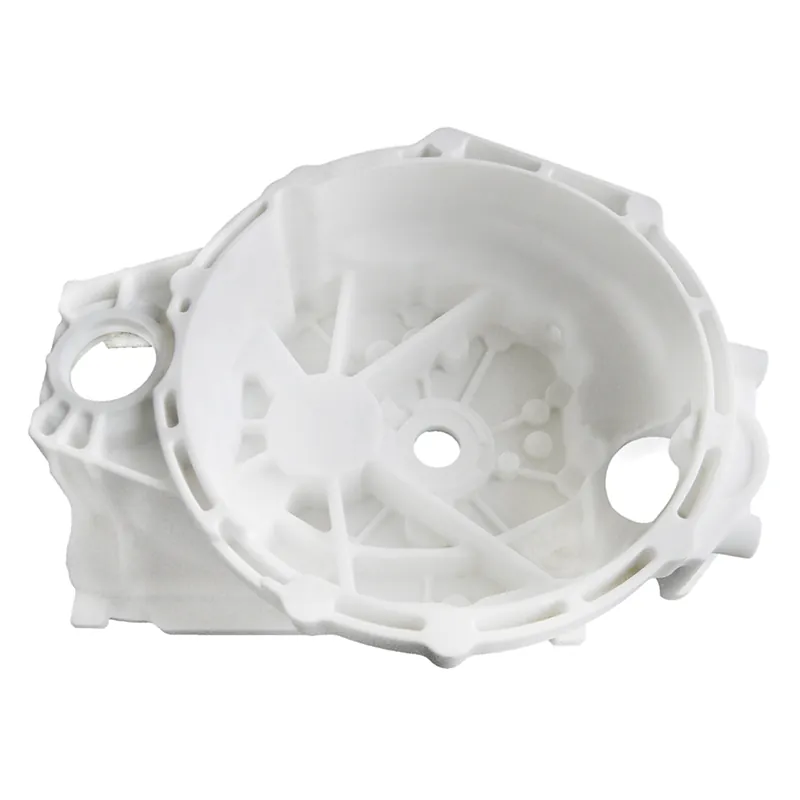
SLS打印蜡模
SLS蜡型
SLS打印蜡模
For what?
For complex and sophisticated parts.
Complex structure
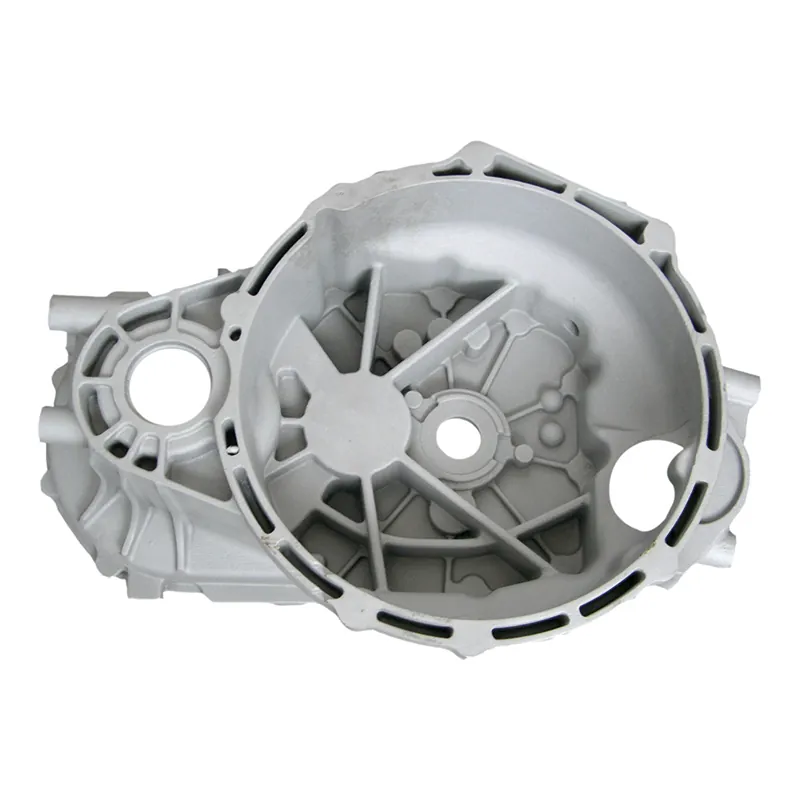
The design freedom of 3D-printed wax models is fully realized for metal parts with complex curvatures, alien contours and multi-characterization combinations.
Thinwall Precision
The ability to achieve complex and sophisticated structures is enhanced by digitalized wax simulators for thin wall structures that are more difficult for traditional modelling and casting processes.
Integrated spare parts
The reduction of some of the traditional component manufacturing and assembly needs through structural integration increases the possibilities for the design of complex integrated metal components.
Large-sized precision casting
The printing of SLS wax models can also be used for precision casting of some large, complex products. The reference page explicitly lists “large-sized products” as one of the key application capabilities of the process.
Customization and small batch parts
There is no need for separate development of traditional moulds for a small number of products, which are more suitable for the development of samples, customized products, multiple varieties and small and medium-sized bulk manufacturing.
3D sand casting advantage characteristics
(b) Avoiding the use of moulds, reducing the risk of modeling and making them non-modelled;
(b) Short production cycles, with clear advantages in small batch production;
(b) Design flexibility that allows for timely modifications to reduce production costs and low risks associated with adjustments to R & D data;
3D printing sand casting process design, which is not subject to the moulding process, with greater flexibility in spectroscopy selection and imitation systems;
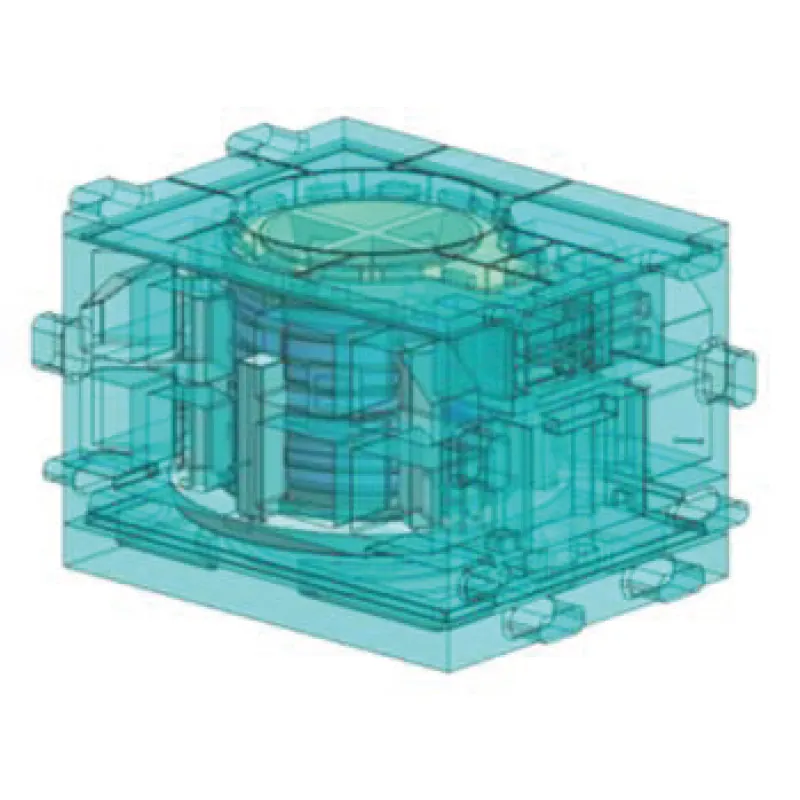
A combination of sand moulds unique to the SLS Remand Forming Process +3DP Leather Shape Forming Process, capable of achieving high-intensity integrated casting formation of complex structural components (large, thin walls, small pipelines, etc.);
(a) High light-precision of casting face, high precision of a molybdenum, low aerobics, low defects in the casting, high quality, high yield and efficient production;
Improve the production environment, reduce labour intensity and save labour costs, greener and smarter.