Producing precision casting waxes directly from the CAD model
Wax 3D printing is a digitized method for the direct production of molten cast waxes using materials enhancement manufacturing techniques.
Traditional smelting usually requires the first manufacture of metal moulds and the subsequent acquisition of wax molds by abbreviated wax. When faced with a single piece, small batch, complex structure or product that is still in the design iterative phase, traditional modelling often implies higher upfront costs and longer lead cycles.
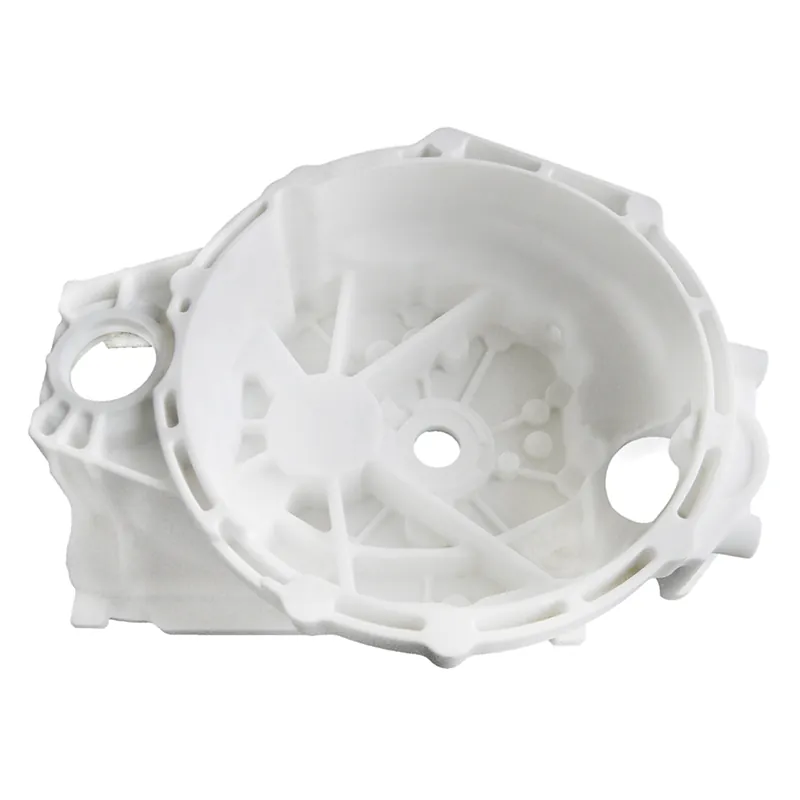
SLS 3D printingIt is possible to manufacture waxes directly, layer by layer, based on the CAD model, without first developing traditional moulds for each product.
This makes it particularly appropriate:
Complex structure / thin wall structure / alien arc / single test / small batch manufacturing / new product development
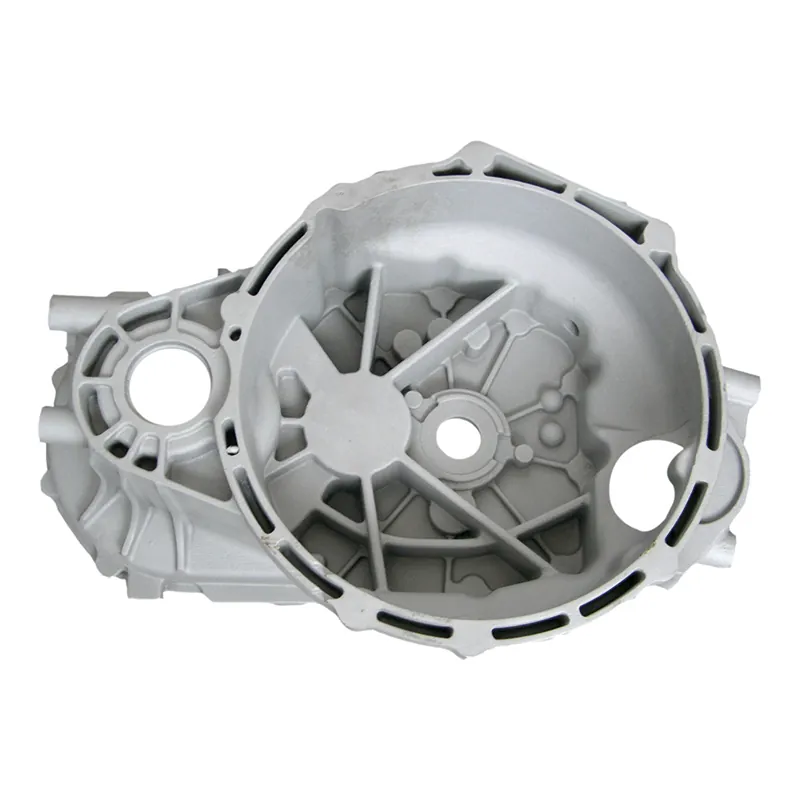
The printed wax moulds, after professional reprocessing and size testing, can be further used for shellmaking, waxing, roasting and metal injection, leading to the manufacture of precision metal castings.
Complex, thin walls, high precision, small quantities.
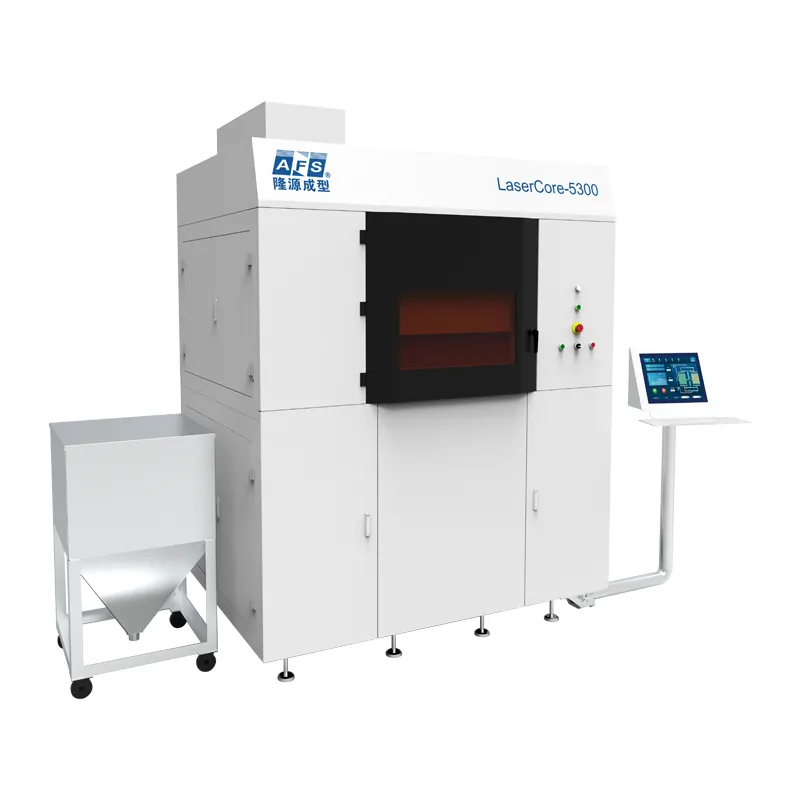
SLS (Selective Laser Sintering) Selecting laser sintering techniques, based on cross-sectional data from a three-dimensional model, are selective in powder materials by lasers and complete wax models are constructed layer by layer.
As the manufacturing process is directly driven by digital models, the limitation of the product geometry of traditional moulds can be reduced, providing greater design freedom for complex wax-type manufactures.
It’s grown up.Printing process, wax model reprocessing and 3D scanning and error correction techniquesIt can further control the size and form of complex wax models and provide a stable digital manufacturing base for subsequent precision casting. The reference technology system uses this set of processes as the core capability for wax-type printing.
Digital sand manufacturing process
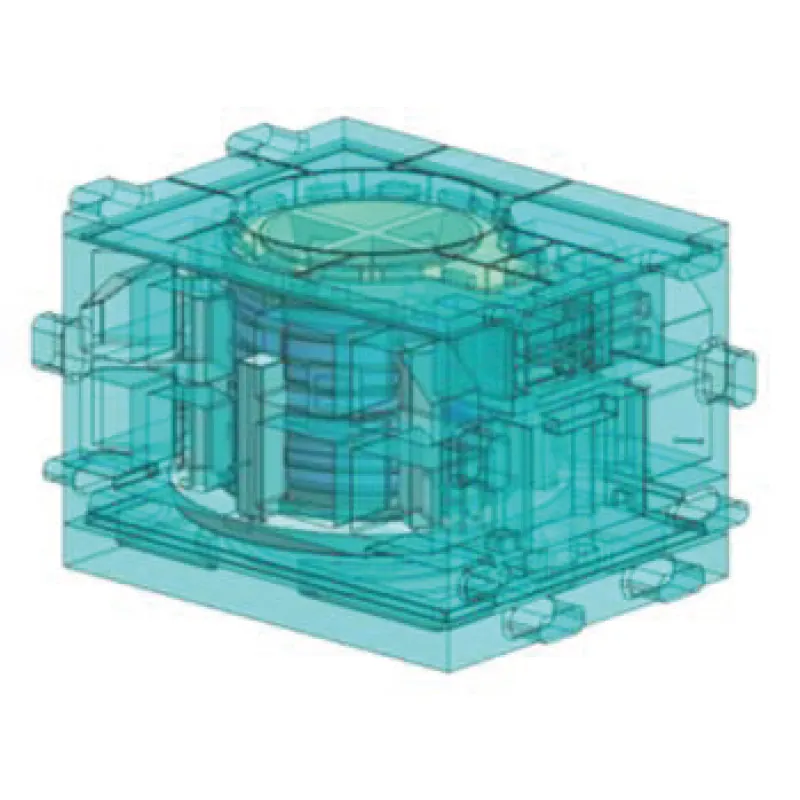
3D蜡模精铸工艺流程
产品设计
SLS打印蜡模
SLS蜡型
SLS打印蜡模
Why 3D to print wax?
There’s no need for a traditional model.
CAD data can be accessed directly into the 3D print manufacturing chain to reduce the development of traditional wax molds.
Shorten new product development cycle
Once the design is completed, it will enter digital manufacturing, better suited for the development of samples and precision casting projects requiring rapid validation.
Support rapid design iterative
When the product design changes, it is possible to modify the numerical model and re-manufacturing the wax model to reduce the costs of modifications to the moulds resulting from the design change.
Breaking through complex structural constraints
A layer-by-story approach to the manufacture of materials enables the realization of complex, thin walls and alien structures that are difficult to manufacture for some traditional moulds.
Lower threshold for small batch manufacturing
For a relatively small number of precision casting projects, the share of traditional modeling costs in the cost of individual products can be reduced.
Digital quality control
A combination of three-dimensional scans and error correction allows comparison of digital models with physical wax models and provides better quality control tools for high-requirer precision casting projects. The reference also lists 3D scan and error correction as core processes.