
Aviation/space
3D print advantage
The aerospace parts are right.Light quantification, high intensity, complex structure and reliabilityHigher requirements. Traditional processes and foundry often require longer model development and production cycles in the face of complex internal cavities, altruistic fluids, integrated structures and small batch development.
Industrial 3D printing can be manufactured directly on the basis of three-dimensional data, reducing restrictions on traditional assembly, providing more flexible design space for complex aviation components and supporting rapid iterative evolution from research and development validation to final manufacture.
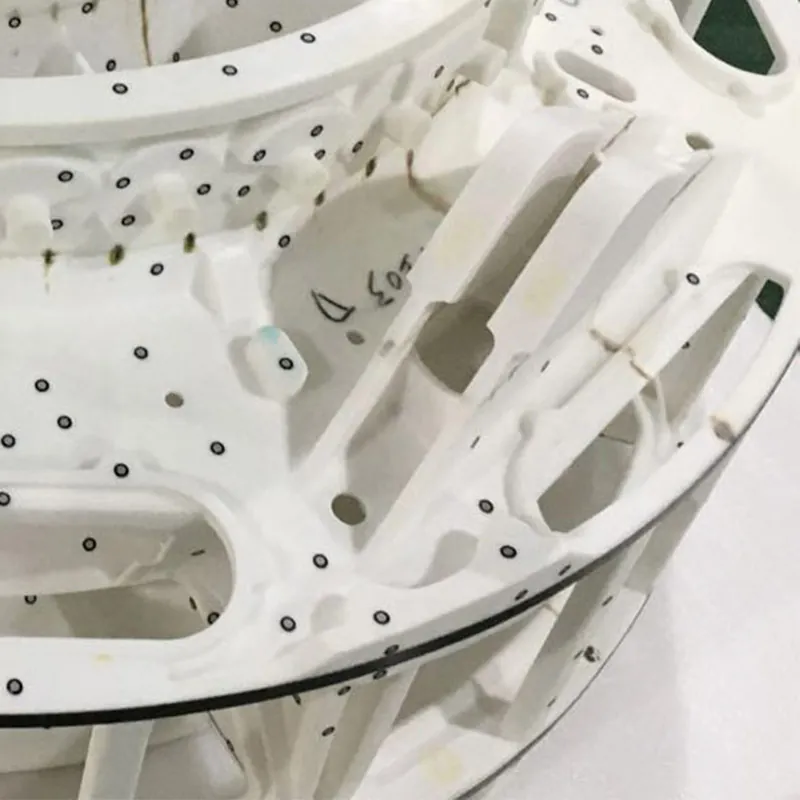
Box
Harder:Large size, thin wall complex structure, high model cost, long cycle
Solutions:Using SLS-based melting moulding, large-sized products are integrated by fusion
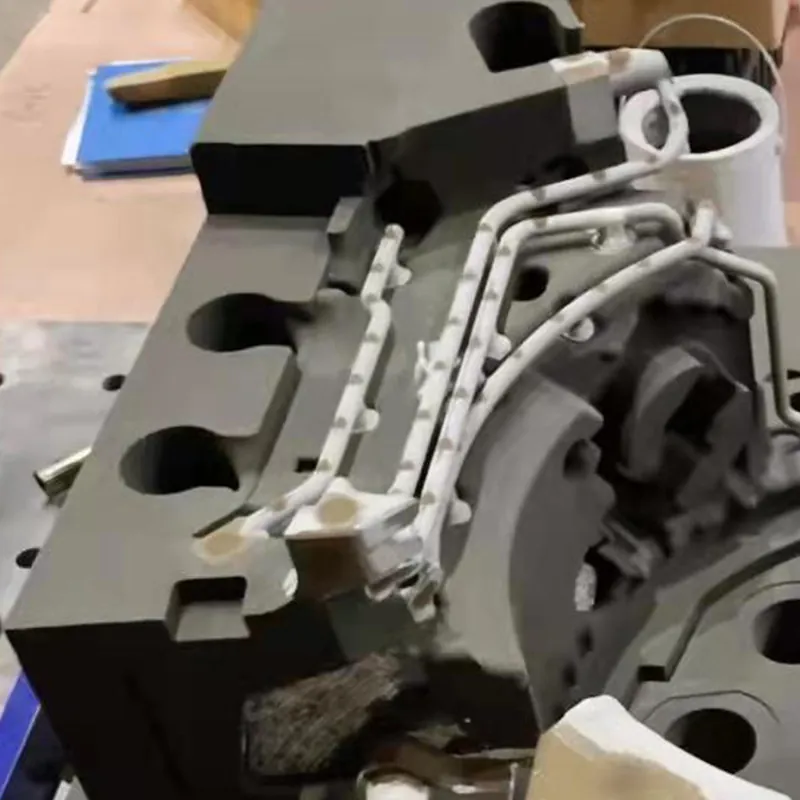
Complex structural parts
Harder:A single process does not satisfy complex oil road sand-type printing, pre-corrupture process is deformed, insufficient in intensity, and can cause breakage during casting;
Solutions:A combination of sand moulds using the “SLS Rembrane Sand Forming Process +3DP Leather Sand Forming Process” has achieved high-precision integrated casting formations with complex structural components (large, thin walls, small tubeways, etc.). The process has been selected for a typical application scenario for the manufacturing of materials by the Ministry of Industry and Communications.
3D printing applications in aviation/space
From R & D validation to complex component manufacturing, 3D printing technology has been widely applied to aerospace product development processes, as follows:Light quantitative design, complex structures, integrated manufacturing and rapid testingProvide new manufacturing pathways.
LAYWON works with global aerospace companies, scientific institutions and manufacturing partners to explore additional applications of materials manufacturing technologies.
Through advanced industry 3D printing equipment, materials, technology and manufacturing services, we help clients to convert complex designs into manufactured industrial components and to accelerate research and development and manufacturing innovations in aviation products.
LightQuantified Structure
Use of pop-up optimization, dot-form structures and imitation designs can reduce unnecessary material use and reduce the weight of components based on meeting structural strength and rigidity requirements.
Research and development and manufacture of aviation support frames, connectors, stress structures and light quantifiable parts.
Complex functional integration
3D printing can break the limitations of traditional processing on the path, assembly and internal structure of knives by redesigning multiple traditional parts into integrated structures.
For havingComplex inner cavity, alien flow, thin wall structure and internal function structureAviation spare parts can reduce the quantity and assembly of spare parts and increase overall structural integration.
Fast Prototype and Custom
There is no need to repeat the development of specialized moulds and complex fittings for the R & D phase, and the manufacture of prototypes or functional parts can be completed quickly on the basis of a three-dimensional model.
Especially in the aerospace fieldNew products development, design validation, engineering samples, individual customization and small batch production, helps research and development teams to shorten product iterative cycles.